
How Vaccines Actually Work
Vaccines prevent disease, not infection, no matter how the word "vaccine" is defined

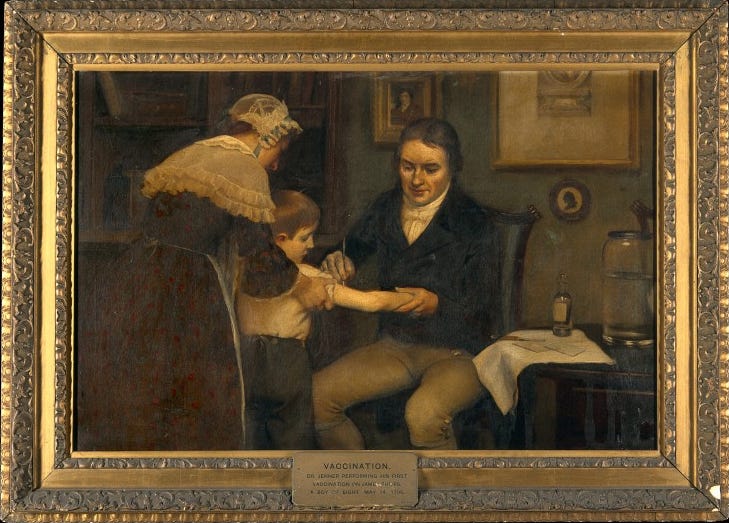
In the last few years of the 18th century, an English country physician named Edward Jenner developed a hypothesis: that inoculating people with pus from a cowpox blister would protect them against smallpox. When a milkmaid named Sarah Nelmes sought treatment for a pustular rash on her hands, Jenner diagnosed her with cowpox. He saw an exciting opportunity to test his hypothesis.
So he scraped off Nelmes’ pustules and used them to inoculate his gardener’s son, 10-year-old James Phipps, by scratching his skin and rubbing the pus into the scratches. Phipps got a mild cowpox rash and recovered. Then Jenner inoculated Phipps with “variolous material” (dried smallpox pus/scabs) using the same method. Phipps did not develop smallpox. Jenner correctly concluded that cowpox inoculation prevented smallpox.
That is a very abbreviated version of the story of the first vaccine. This vaccine was so successful that, when used globally, it eradicated smallpox. No smallpox cases have occurred in humans because the virus that causes it (variola virus; VARV) is no longer circulating in humans. But Jenner didn’t know what a virus even was. Jenner inoculated Phipps 100 years before the first virus was even discovered. He did not set out to eradicate VARV. His goal was to prevent clinical cases of variola major, the most severe form of smallpox. Jenner developed the vaccine to prevent disease, not to prevent infection.
Vaccines are designed and developed to do one thing: prevent disease. Sometimes they also produce sterilizing immunity (immune responses that can prevent an infection). Often they don’t. The smallpox vaccine doesn’t produce sterilizing immunity. However, by preventing smallpox disease, the smallpox vaccine eventually eradicated the virus because so many people were immunized that even breakthrough infection couldn’t sustain circulation. People who did get breakthrough infections had fevers, often with no rash at all (called variola sine eruptione or “smallpox without rash”). Some vaccinated people developed “modified” smallpox, which was mild disease characterized by a superficial, sparse, non-pustular rash and no respiratory symptoms. Because smallpox is largely transmitted through pus and through exhalation (smallpox is also respiratory), these breakthrough cases are much less likely to result in onward transmission. The reason for that is the vaccine still works even when vaccinated people get infected: the vaccine prevents variola major.
At global scale, preventing variola major meant that more and more people were protected from smallpox disease, even if they were unlucky enough to get infected after vaccination. Viruses are obligate parasites and cannot reproduce without a host. As more and more people were immunized, fewer and fewer got smallpox, so the amount of VARV circulating was reduced. As the global eradication effort proceeded and most of the world was immunized against smallpox, the virus eventually ran out of hospitable hosts. Eventually, as transmission chains hit dead end after dead end of vaccinated populations, VARV disappeared from the human population. Smallpox was eradicated by vaccines that prevent disease, not infection.
The reason I bring all this up is that lately the anti-vax agitators over at the hellsite have been insisting that vaccines don’t work on the basis that they don’t prevent infection. Here, Leslie Manookian, a former Wall Street executive who left her career to move to Idaho and become a professional anti-vaxxer, ridicules my speculation that my flu shot was the reason I did not get influenza-like illness despite my husband having what I suspect was H3N2.
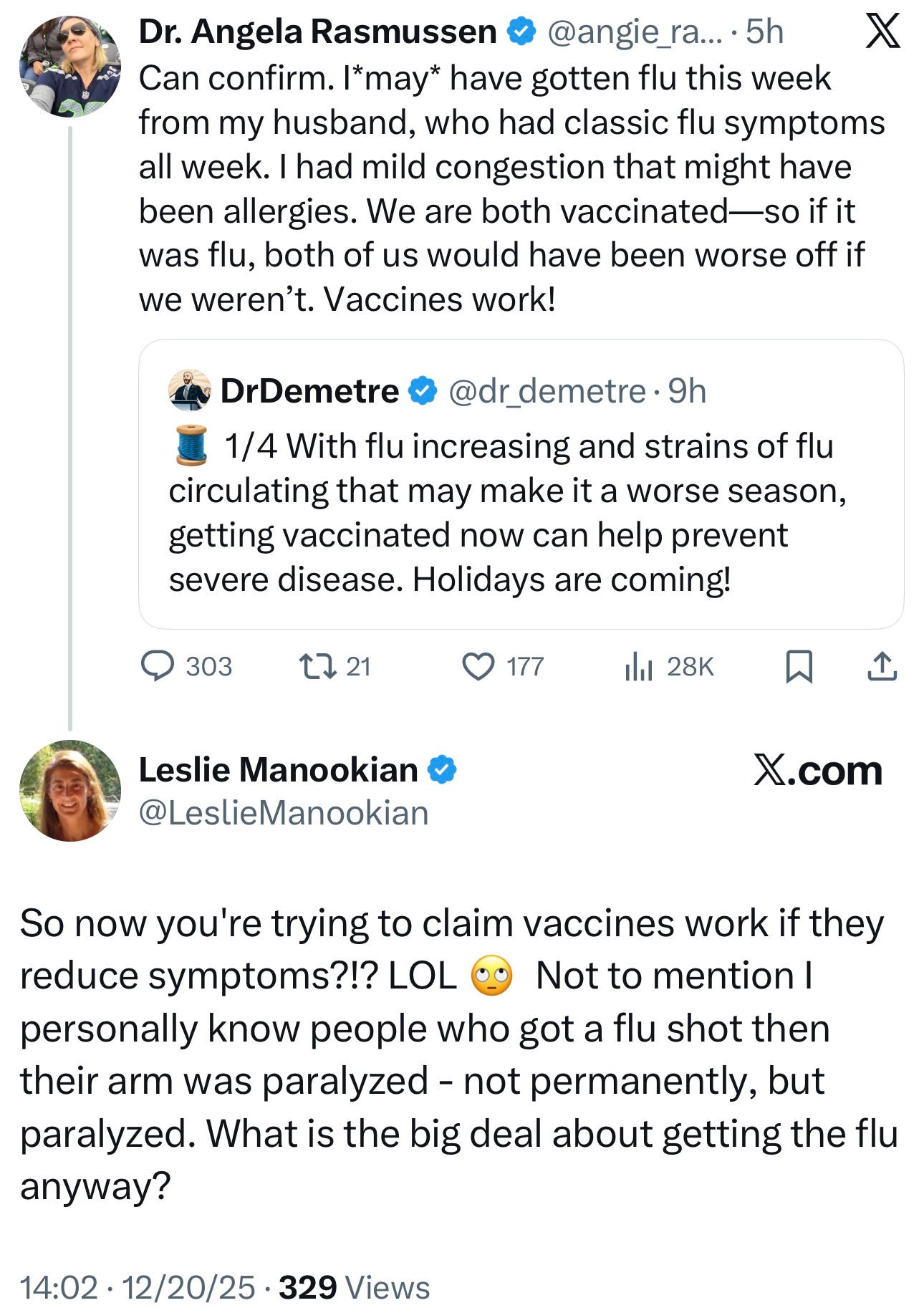
I suspect that Manookian is not making a good faith attempt to have a discussion about the demonstrable protection that an updated flu shot provides against severe influenza disease even if you get infected. However, the reason she even replies to me at all is because I have a lot of followers and am a credible expert on both viruses and vaccines. She wants to amplify the disinformation she is spreading and undermine my expertise and assertions. She is trying to manipulate people into thinking that vaccines don’t work to prevent severe disease, so they don’t work. That if a vaccine doesn’t prevent infection, it is worthless. She suggests that vaccines are dangerous by citing unverifiable anecdotal cases of what sounds like Guillain-Barré syndrome, a known adverse event that is exceedingly rare (1-2 cases per million flu shots). She is implying that seasonal flu is harmless. Last season was extremely severe, with the highest hospitalization rates in 15 years. The majority of hospitalized patients were unvaccinated. Flu killed around 40,000-100,000 people last season, including almost 300 children. At the same time, vaccination prevented up to 16 million cases of symptomatic influenza, 360,000 hospitalizations, and 39,000 deaths. Flu shots would have prevented more disease if uptake were higher.
Flu vaccines were also designed to prevent severe disease. They do that. For individuals, vaccines greatly reduce your risk of getting sick. For populations, the flu vaccine keeps thousands of people out of the hospital and out of the morgue. Even though it doesn’t prevent disease completely, its impact can be measured in human lives. It is a vaccine that is intended to prevent disease, just like all vaccines. And it works.
Yet Manookian’s anti-vax bot army keeps insisting that this doesn’t meet the definition of vaccine and they do not work by preventing disease, but by preventing infection. This is not true. Vaccines work by preventing disease. This is what they were developed to do.
Time for a history lesson! Let’s take a little trip through time to two centuries ago, to learn about what Jenner—and all the vaccinologists who came after him—were trying to do.
The original vaccine prevented disease
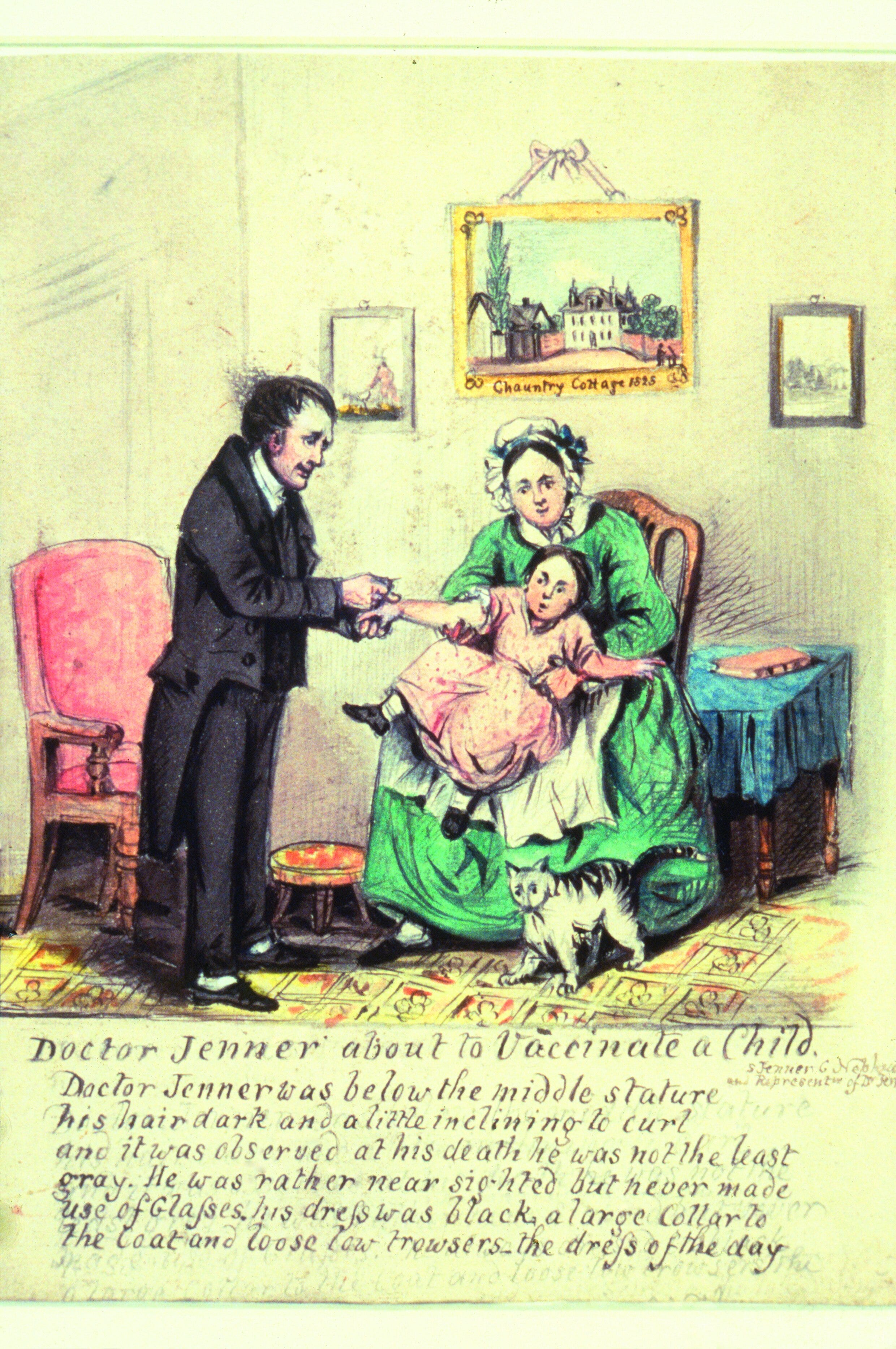
The name “vaccine” comes from variolae vaccinae, Jenner’s term for cowpox pustules, since that’s what he correctly believed contained the basis for protection against smallpox. That basis wasn’t the pus; it was the virus in the pus: vaccinia virus (VACV), an orthopoxvirus like VARV that causes cowpox (vacca is Latin for cow, hence “vaccinae” and “vaccinia” refer to VACV’s bovine origins). The smallpox vaccine works by infecting a person with VACV, inducing an immune response that is cross-protective against VARV. This was the first live-attenuated vaccine: infection with a virus that does not cause disease to induce protective immunity against a virus that does. This is a fundamental principle of vaccination: a vaccine induces immunity that protects you from the disease without you getting the disease.
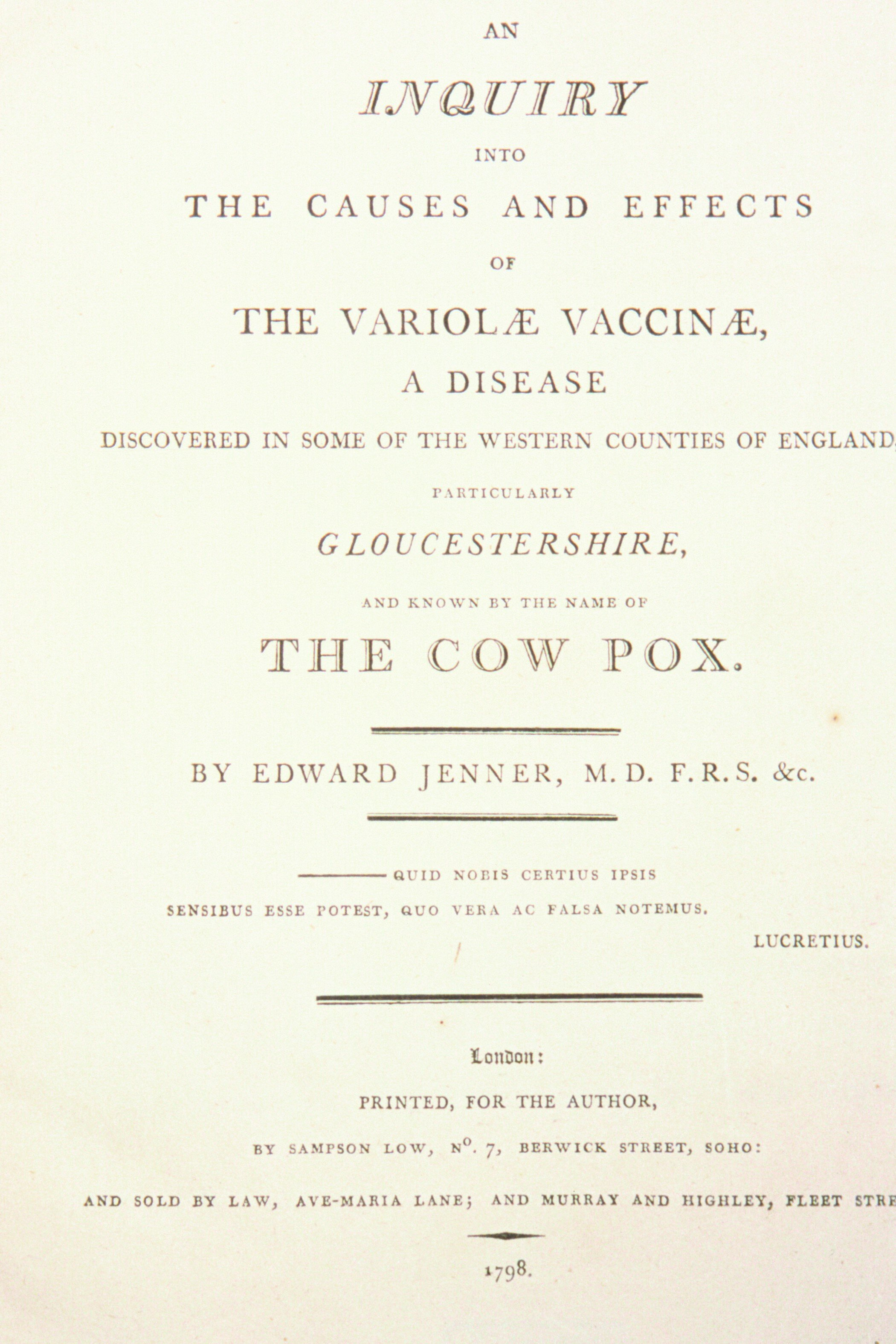
Jenner treated a lot of rural patients who worked in farming and agriculture, so he was well-acquainted with cowpox and knew that it was a self-limiting disease that was usually confined to a rash. Jenner was also not the first person to observe that cowpox seemed to provide protection against smallpox. Others in England, Germany, and France had already been messing around with using cowpox to control smallpox outbreaks, though nobody tested the hypothesis with challenge studies (where you “challenge” an immunized person by exposing them to the actual pathogen to confirm that vaccination prevents disease) as Jenner did.
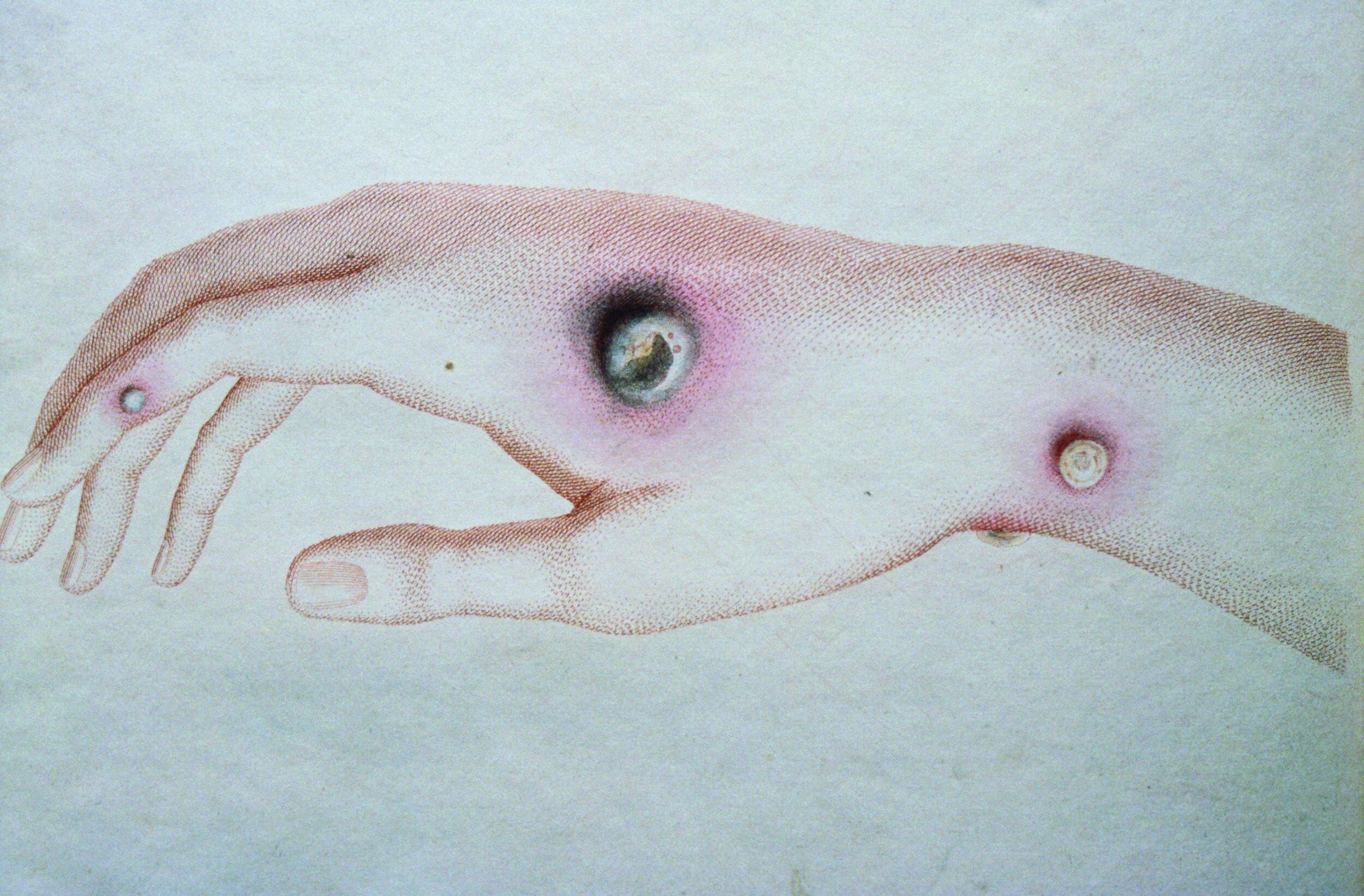
Jenner was intellectually and scientifically ahead of his time. Germ theory (the idea that diseases are caused by infectious pathogens like viruses) was developed over the decades after his death in 1823, but Jenner intuitively understood its principles. He deduced that cowpox was transmissible across species and whatever caused the disease was present in the pus. He also correctly deduced that smallpox was transmitted by “effluvia” (respiratory aerosols) as well as pus, but cowpox was only transmitted by pus. He even used the word “virus” to describe both smallpox and cowpox, although since viruses hadn’t been discovered yet, he was using it according to its Latin meaning (“poison”). But he did not know what viruses were. He did not know about antibodies or immune responses. He knew two things: smallpox was a terrible, disfiguring disease with a 20% mortality rate that periodically ravaged his community and you could prevent it with variolation.
Variolation is like vaccination, except using actual VARV instead of VACV. Variolation was first described in the 10th century in China and had been adopted in various parts of the world ever since. There were several techniques for variolation but most of them involved scratching “variolous material” into the skin or insufflation (snorting it). The variolous material was just scabs and dried pus from someone else’s smallpox lesions, so there was a lot of variability in the results of exposure to it. From one batch to the next, there would be huge differences in the amount of infectious virus, the method of inoculation, and the skill of the inoculator. If done right, variolation resulted in transient, mild smallpox with just a couple of blisters at the site of inoculation that produced protective immunity. If done wrong, variolation would either not result in infection and thus no immunity or it would cause full-blown smallpox. Variolation had huge benefits but also tremendous risks. Still, the prospect of dying in a smallpox epidemic was worse to many, so many people took the risk anyway.
Jenner was well aware of variolation and likely also knew about some of the dabbling in cowpox inoculation that had been taking place. He treated people with both cowpox and smallpox, so he knew how much less severe and transmissible cowpox was compared to smallpox. All of his observations and the data he had to work with were clinical observations about the severity of disease. His famous challenge study with Phipps used disease severity as its primary endpoint: either he got smallpox or he didn’t. Even though it seems to us now like a question of virology and immunology, Jenner’s hypothesis was based on what he could see and measure: disease severity. The first vaccine is a virus that induces protection against another virus, but Jenner tested it based on its ability to prevent a disease.
The first lab-made vaccine also prevented disease
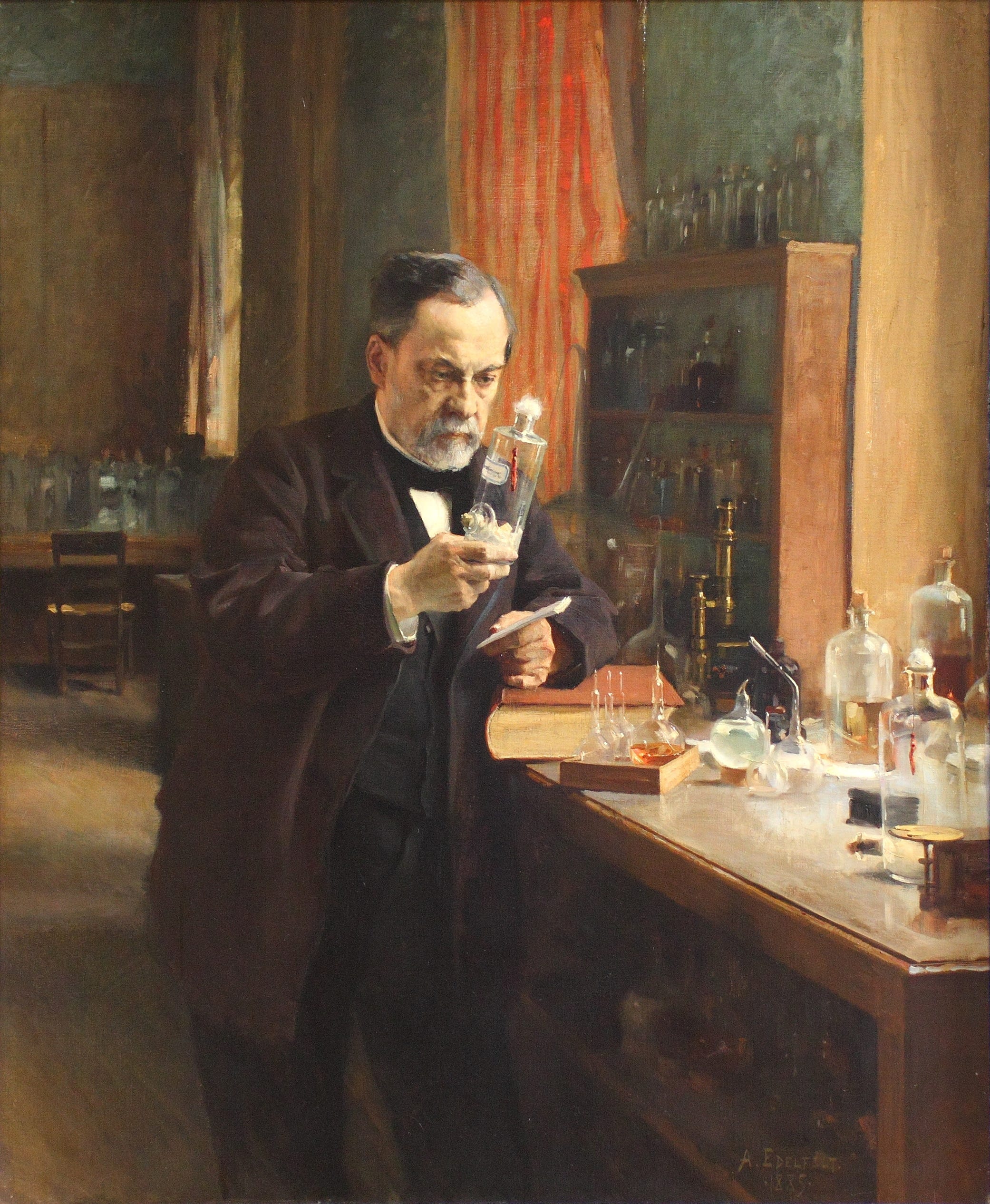
Based on the success of the smallpox vaccine, the nascent field of vaccinology began to ask if the same approach could be used for other viruses. Louis Pasteur was a God-tier French microbiologist who discovered foundational principles of germ theory, invented pasteurization (named after Pasteur, since Jenner’s vaccine took all the good Latin cow names), and developed the first laboratory-made vaccines by pioneering attenuation and inactivation methods. Pasteur first developed a chicken cholera vaccine with some bacteria that had basically just been sitting around for three months. It didn’t work very well, but it gave Pasteur some ideas about how to attenuate other pathogens for vaccine development by changing culture conditions. He started with anthrax.
Pasteur had been working with Bacillus anthracis, the soil bacteria that causes anthrax, since it was discovered by fellow God-tier Germ Theory Founder and rival, German microbiologist Robert Koch in 1876. Koch discovered that B. anthracis forms spores under different conditions, explaining why anthrax outbreaks in livestock came from out of nowhere. The spores are extremely tough and can last in the environment for decades, enduring harsh conditions until they are in an optimal environment, such as a cow or sheep’s digestive tract. Then they germinate, grow, and cause anthrax. Pasteur followed up Koch’s discovery by showing that anthrax outbreaks were caused by B. anthracis spores in soil (by isolating the bacteria from worm shit taken from a “cursed field” associated with massive anthrax outbreaks). So he decided to try out his theory of attenuation by culture methods.
Pasteur started experimenting with heat, and he observed that bacteria grown at 42°C could not sporulate (form spores), which attenuated them. So he accepted an offer from an agricultural society to test the vaccine. People must have been hard-pressed for entertainment options in 1888, because this event was having an audience of 200 spectators gather to watch the experimental endpoint of a controlled vaccine challenge trial, which is basically watching 70 cows, sheep, and goats experimentally infected with a lethal dose of B. anthracis die of anthrax or not. No word on how the rank and file of Pouilly-le-Fort enjoyed the event, but Pasteur was delighted with how it turned out, because the vaccinated animals did not have much disease, while the unvaccinated ones were either dying or already dead. There were some questions about whether Pasteur used the live-attenuated vaccine or a chemically-inactivated one, but in either case, this represented the first vaccine created in a laboratory. Pasteur went on to develop vaccines for a swine bacterial infection and for post-exposure rabies prevention using different approaches for attenuation.
Unlike Jenner, Pasteur knew that pathogens caused disease. He studied transmission extensively and he knew that disease outbreaks resulted from infection. But he still used disease as the measurement for his vaccines, because reducing disease is the point of vaccines. Pasteur ultimately coined the term “vaccine” as a generic description for any type of immunization that prevented disease as a tribute to Jenner.
Pasteur’s work to attenuate or inactivate vaccines was transformative for vaccine development because it opened the door to developing vaccines that partially or fully prevent disease for any pathogen without preventing infection. Vaccines for diphtheria, tetanus, pertussis, polio, pneumococcal pneumonia, meningococcal pneumonia, hepatitis B virus (HBV), human papillomavirus (HPV), Haemophilus influenzae B, mumps virus, herpes zoster (shingles), flu, and COVID-19 do not produce sterilizing immunity, but they effectively reduce disease severity or prevent disease.
The inactivated polio vaccine (IPV) does not prevent infection with poliovirus, for example, but it completely stops the virus from causing disease. In most people, poliovirus infects the epithelial cells lining the intestine without causing any symptoms of disease. However, in the unlucky 1-10% of infected people, the virus gets out of the gut and into the motor neurons. The virus kills the motor neurons, which are highly specialized cells controlling muscle movements that cannot be replaced or regrown if they die. When polio kills motor neurons, it causes permanent flaccid paralysis. When it kills enough of them, this paralysis can impact the diaphragm, which means life in an iron lung to be able to breathe. IPV prevents the virus from ever leaving the gut and getting access to the motor neurons. That completely prevents polio, even though vaccinated people can still be infected with poliovirus.
Jonas Salk didn’t know the complete mechanistic details of how his vaccine prevented polio; he didn’t know that vaccinated children would still be infected by poliovirus. He did know, after testing the vaccine on his own family and 1.6 million children in the US, Canada, and Finland that it completely prevented cases of paralytic poliomyelitis.
When results of this trial were announced, polio was killing more American children than any other infectious disease. More than 500 people attended, physicians gathered in movie theaters to watch courtesy of Eli Lilly and Company paying $250,000 for broadcast rights, and people listened to the broadcast around the world. Churches rang their bells, factories blew their whistles, and people celebrated. Salk’s vaccine promised an end to the terrible polio epidemics that paralyzed or killed thousands of children each year.
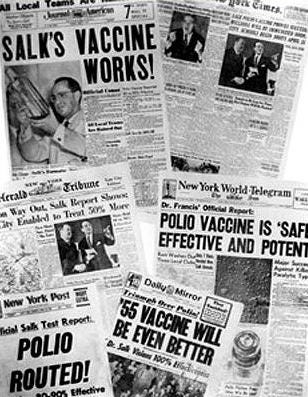
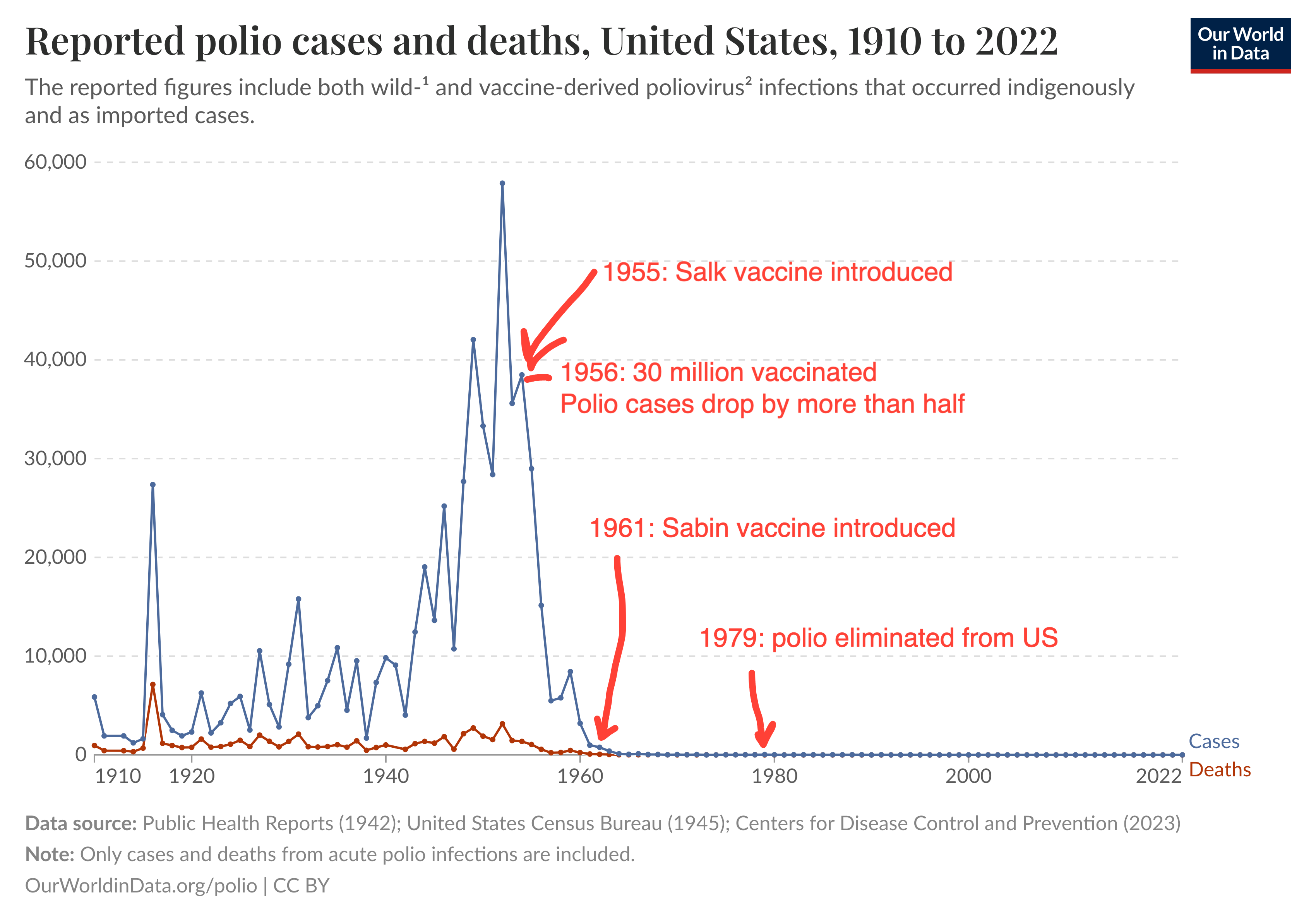
President Dwight D. Eisenhower signed the Vaccination Assistance Act of 1955 into law and 30 million doses of IPV were administered in a year. Polio cases dropped sharply. By the time the Sabin vaccine, a live attenuated oral polio vaccine (OPV), was licensed in 1961, there were fewer than 1,000 cases in the US. By 1966, there were fewer than 100. By 1979, polio was eliminated in the US. Although the US switched to the Sabin vaccine in 1961 due to its ability to produce sterilizing immunity and ease of dosing, the majority of polio elimination was the result of the Salk IPV. The US eventually switched back to the Salk IPV due to rare reversion events in which the Sabin OPV can mutate into a virulent form. The Salk vaccine saved thousands of children from polio in its first year and put the US on the pathway to elimination, despite not preventing infection. Because it prevents polio. It prevents disease.
Even vaccines that are thought to mostly produce sterilizing immunity, like measles, rubella, and smallpox (which is now used for mpox) don’t completely prevent breakthrough infections. Some live-attenuated vaccines can in rare cases cause disease, like the measles vaccine and OPV. Most cases of polio that occur now are caused by vaccine-derived polioviruses that have reverted to virulence, because Sabin did not know about the risk of long-term shedding and reversion in some people who got the OPV. Sabin could not have known about the risk due to technology constraints (sequencing had not been invented yet, molecular virology was not yet a thing, and the structure of DNA had only been discovered a few years before, so he had no way of knowing that his attenuated viruses could revert easily) and because he was focused on developing a vaccine that would prevent polio, not stop poliovirus infections. Sabin and Salk both made vaccines primarily to prevent disease, not to stop infection.
Vaccines do not prevent anti-vaxxers
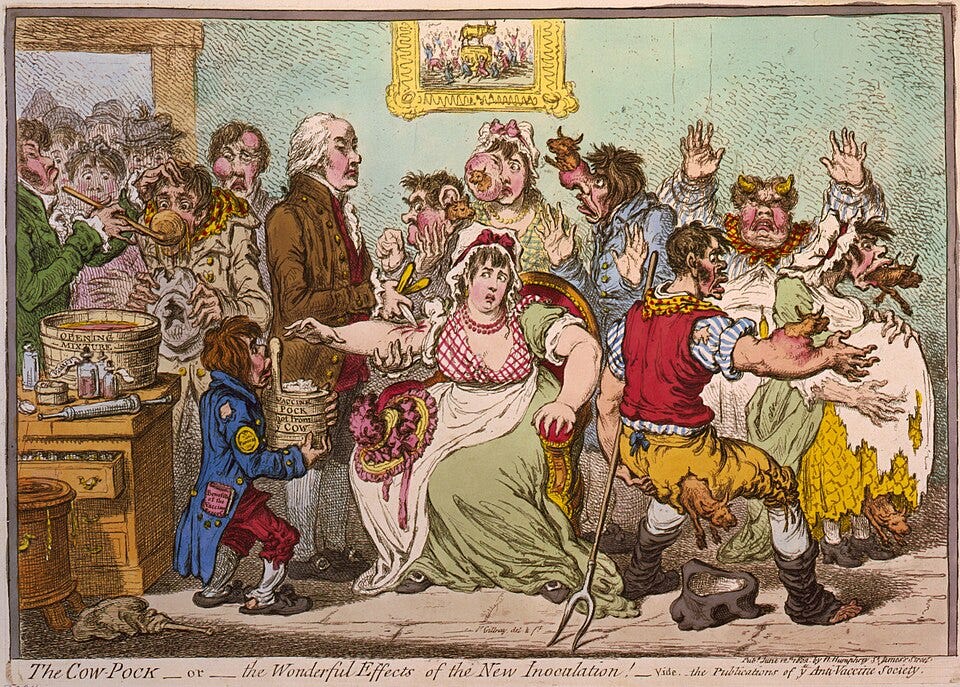
The anti-vaccine movement is nearly as old as vaccination itself. Prior to Jenner mainstreaming vaccination, there were anti-variolation activists. These represent some of the oldest common ancestor of what has grown to be an ideological pillar of the Make America Healthy Again (MAHA) political movement. The science of vaccination has always been difficult to communicate.
This is in part due to the complexity and nuance of vaccination. There are many different types of vaccine platforms, some of which, like smallpox, involve infection with a different virus or pathogen. All vaccines also have side effects, some of which can be severe. Jenner’s vaccine, for example, does cause disease symptoms of orthopoxvirus infections, most often blisters at the site of inoculation. Back in Jenner’s time, this was how the vaccine was propagated since there was no cell culture and viruses hadn’t been discovered yet, so nobody knew how to grow viruses. In the 18th and 19th century, smallpox vaccines were “made” by collecting inoculating material (pus) from one inoculated person’s blister and using it to inoculate another person.
Furthermore, the commercial smallpox vaccine that resulted in eradication, Dryvax, was fully replication competent vaccinia virus obtained from the lymphatic fluid of infected calves, which was how it was manufactured in the 1930s when it was licensed by the Food and Drug Administration (FDA). As a result, it does cause adverse events related to viral disease, many of them serious. Dryvax could be transmitted to other people and to other parts of a vaccinated person’s body, including the mouth, nose, eyes, and genitals. Disease in the eye could result in permanent blindness. Progressive or gangrenous vaccinia occurred when lesions become necrotic (dead) and cause the slow death of surrounding tissue. This is treated with antibodies against VACV, debridement (removal of necrotic tissue), or amputation, but in many cases was still fatal. In addition, vaccinia infection can cause encephalitis (infection of the brain) in rare cases, which was lethal up to 50% of the time. People could develop systemic vaccinia disease, resulting in a smallpox-like rash, or a disseminated skin infection that could be disfiguring and fatal.
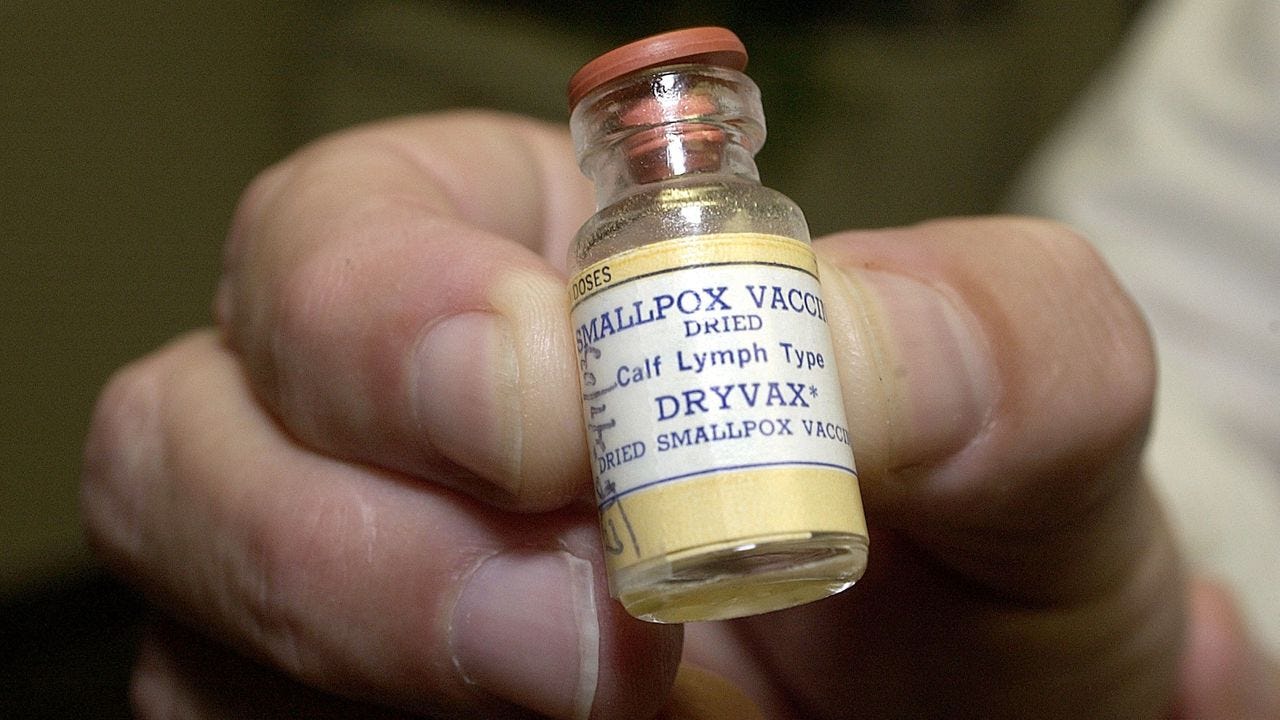
Manufacturers stopped making Dryvax in 1982 after eradication, but after the 2001 anthrax attacks in the US, health officials began to appreciate the potential for VARV as a biological weapon. Nobody was vaccinated anymore, and while VARV had been wiped out from circulation, there were still stocks kept at the CDC in Atlanta and the former Soviet VECTOR facility in Novosibirsk, Russia. Plus old caches of variolating material and virus stocks from decades earlier sometimes turned up, including at the FDA. The virus still existed in the world, so many proposed that we needed a strategic stockpile of the vaccine.
After a great deal of discussion (that is still ongoing), the US stockpiled a second-generation vaccine called ACAM2000, which was produced from a cloned (genetically homogenous) preparation of the Dryvax VACV using modern cell culture techniques. ACAM2000 was less likely to cause adverse events, but it still carried some of the risks of Dryvax since it was still replication-competent virus capable of causing disease and spreading.
A new third-generation vaccine, JYNNEOS, has since been developed that is made with Modified Vaccinia Ankara (MVA), a strain of VACV that has been engineered to make it replication-incompetent. Since MVA cannot replicate, it cannot spread. As a result, JYNNEOS is much safer and less reactogenic than either Dryvax or ACAM2000, which turned out to be fortunate when mpox (monkeypox) began spreading globally in 2022. VACV also confers protection against mpox, so the stockpile of JYNNEOS was essential for controlling the outbreak in countries where it was available. It will likely be needed going forward, as mpox continues to emerge and cause ever-larger outbreaks.
None of Jenner’s contemporaries knew anything about the risks associated with Dryvax at the turn of the 19th century, since they didn’t even know what viruses were. However, the anti-vax talking points at the time were remarkably similar to those today. Variolators enjoyed a monopoly on smallpox immunization and they did not want the vaccinators interfering with their lucrative business, so they said vaccines didn’t work. Some smallpox vaccines were contaminated with actual VARV, which resulted in outbreaks, so people said that vaccination caused smallpox. Jenner originally stated that immunity from vaccination lasted for life, as he did not know it wanes over 5-10 years. When this was observed, anti-vaxxers accused him of lying. Some people claimed that the vaccine was related to syphilis (in old-timey disease terms, syphilis was known as “greatpox”), so it was dangerous. And there was an organized medical freedom movement that opposed vaccine mandates.
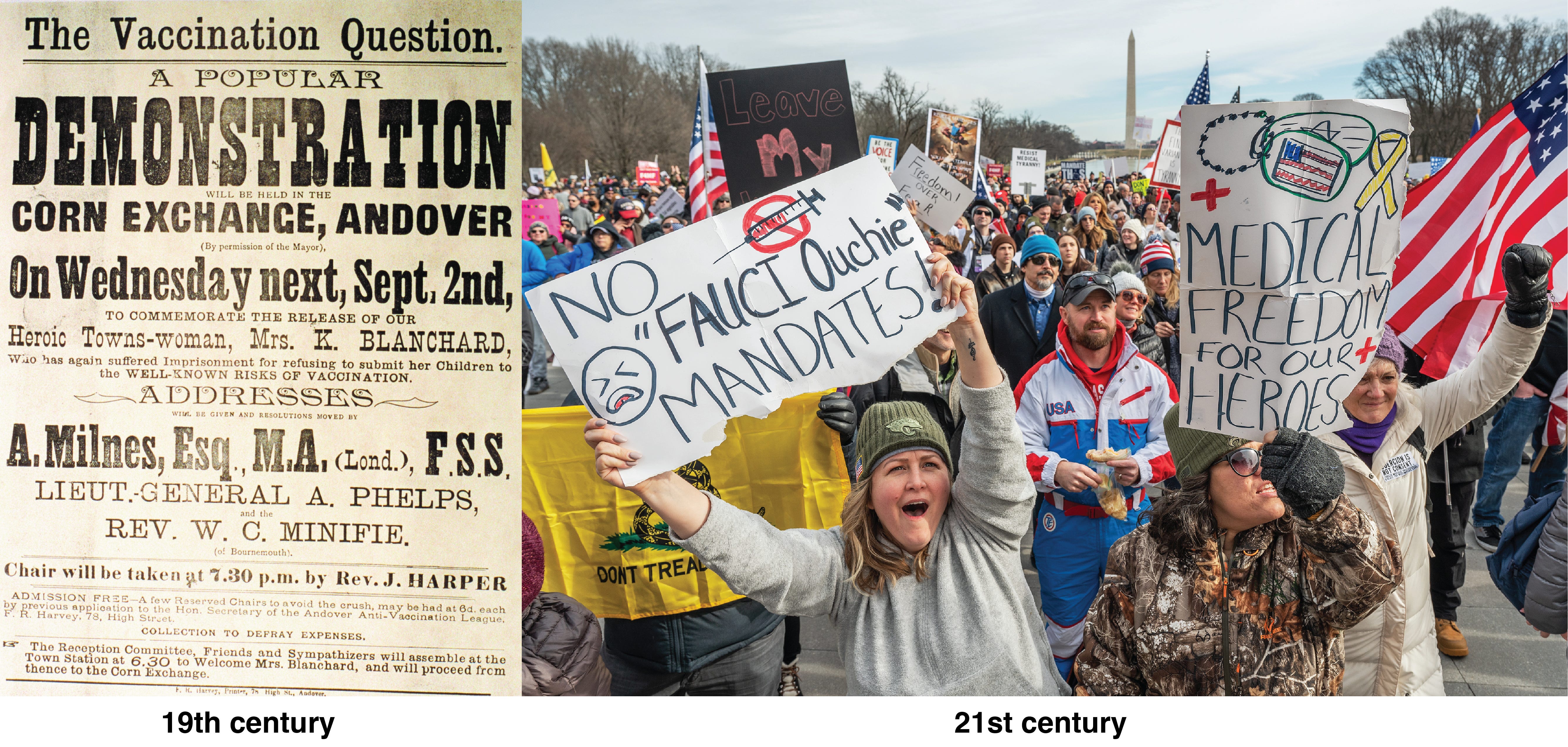
The anti-vax movement of the past and the present have used the same tactics and talking points for the past two centuries, even as technology has changed for getting the message across. Almost all anti-vaccine disinformation relies on the same fundamentally incorrect premise: whether through ignorance or intention, they do not acknowledge or accept that vaccines work by preventing or reducing disease.
What’s in a definition?
Back to modern-day anti-vaxxers who deny that vaccines primarily function by preventing disease, Manookian accomplished her goals and attracted a flood of anti-vax accounts to my hellsite replies. A trend I have noticed recently is how coordinated these responses seem to be, as they echo the same exact talking point over and over. Back in pandemic times, anti-vaxxers would sometimes flood my replies too, but their responses were more varied. They would select from a menu of anti-vax talking points and I’d have their thoughts on everything from COVID denial to medical freedom advocates to 5G wireless conspiracies to peruse. Now, however, they are all aligned to a single theme. The theme that Manookian inspired was protesting that various vaccines are only available because Webster’s Dictionary changed the definition of the word “vaccine” in 2021 to reflect that new vaccine platform technology existed (mRNA) and vaccines are no longer exclusively made from killed or attenuated microorganisms.
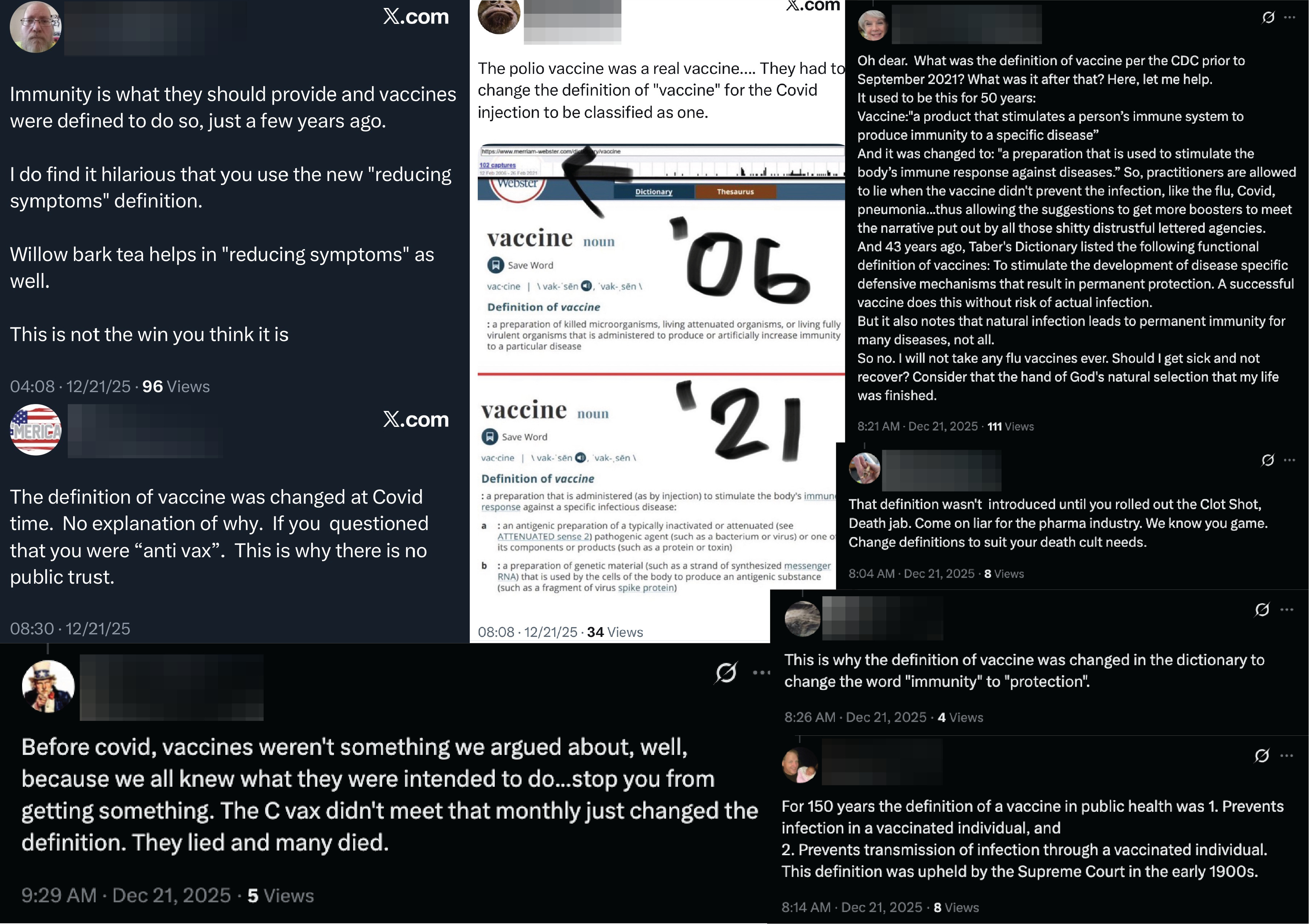
I was a bit confused at first by the number of replies referring me to Webster’s and telling me to look up the definition of vaccine. Apart from the patently absurd idea that Webster’s Dictionary has anything to do with vaccine safety, effectiveness, or regulation, this is one of the most intellectually bereft approaches I’ve ever seen for arguing that a vaccine doesn’t work by preventing disease.
Regardless of what the dictionary says, vaccines work by preventing disease. For some vaccines, like smallpox, measles, or polio, this means they completely prevent disease in most people. For others, like flu or COVID, this means they substantially reduce disease severity and prevent hospitalization and death. For many vaccines, we have decades of data demonstrating that this is the case. Every year the CDC estimates how many cases of flu, hospitalizations, and deaths were prevented by vaccination. We can quantify how well vaccines work at preventing disease. And yet, these anti-vaxxers are still showing up to get owned by Grok when they attempt to school me on how vaccines are defined and how they work.
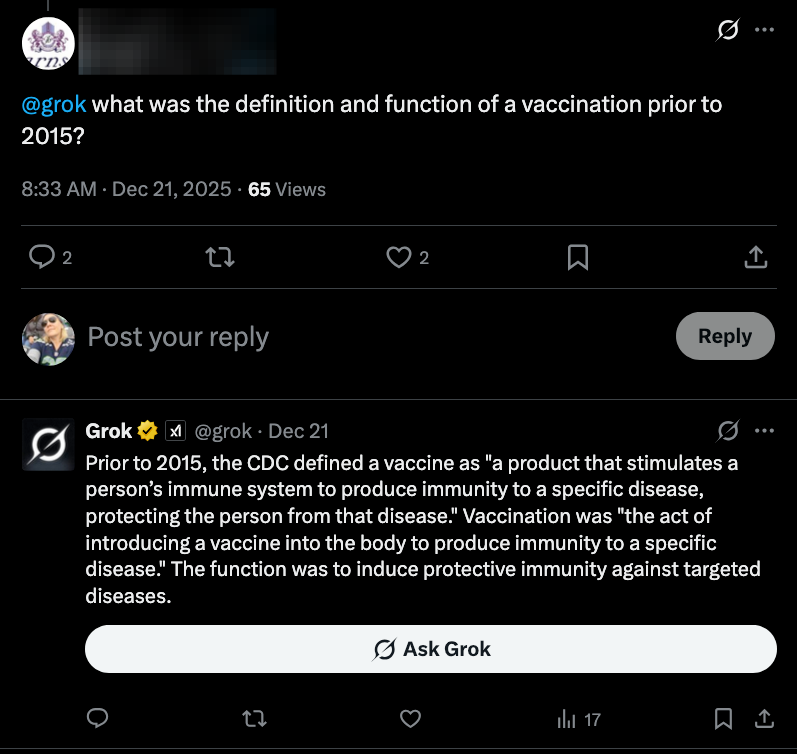
Although the LOOK IT UP, STUPID PHARMA SHILL crowd will never be convinced by me, their favorite fascist large language model, or the dedicated lexicographers at Merriam-Webster, I am much more alarmed with the focused, singular point of disinformation making up so many of these replies. Here, to undermine my evidence-backed claim that vaccines work by preventing disease, they all screamed at me to go look up vaccine in the dictionary. That message isn’t directed at me, but at all the people who will be algorithmically served my replies and may not know very much about vaccines.
There they will see a relentless onslaught of the same stupid message, repeated ad nauseum, that vaccines don’t work by definition. Even obviously stupid premises, like Webster’s Dictionary is the ultimate authority on how vaccines work, can seem reasonable if they are drilled into a person’s head through endless repetition. Anti-vaccine sentiment has been around since Jenner’s time. It has never been so effectively weaponized as propaganda. It is designed to manipulate people into adopting positions contrary to their own interests, such as their lives and health.
During the COVID pandemic, so many bad actors weaponized health disinformation that it created a new class of elite contrarians who have profited handsomely from spreading it. Many have become wealthy because of it. A subset of these people, like NIH Director Jay Bhattacharya, Acting CDC Director Jim O’Neill, FDA Commissioner Marty Makary, and CMS Administrator Mehmet Oz, used it to obtain powerful positions in the federal government that they never would have gotten on the basis of their experience or qualifications (since they mostly lack any). US Health and Human Services Secretary Robert F. Kennedy, Jr., the leader behind it all, built his fortune and his MAHA empire on skillful propaganda campaigns
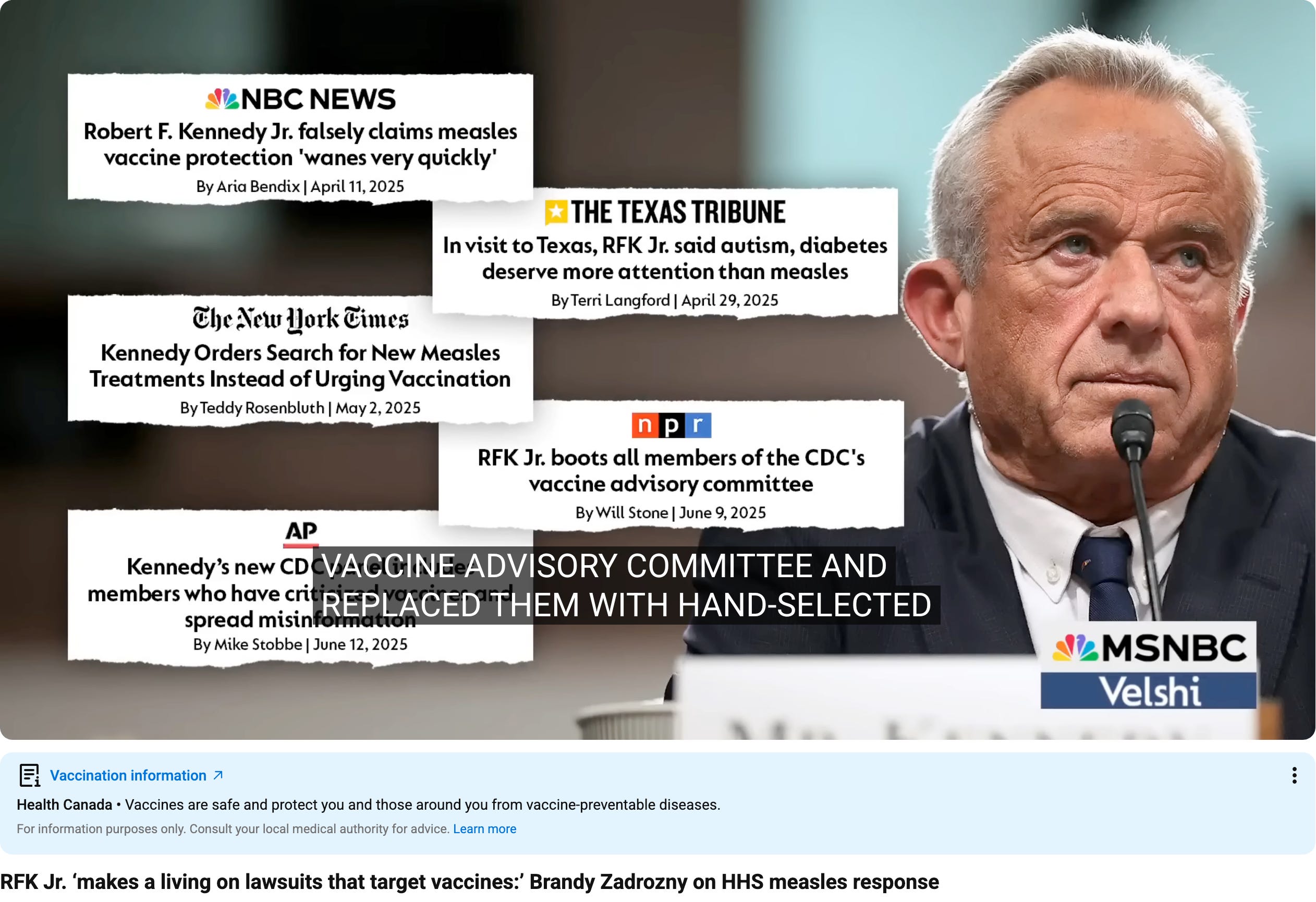
.This is a coordinated disinformation effort that is supported by foreign interests and employs sophisticated methods to flood public discussions with this disinformation. It is intended to erode trust in experts or authority figures regarding health, to normalize ignoring evidence in favor of ideology, and to persuade people to make medical decisions that could severely injure or kill them and their families. It is anti-scientific and pro-authoritarian, as it is intended to exacerbate political divisions, undermine democratic governments, stifle criticism, and subvert how people perceive reality.
This is not limited to the US. The same thing happens when I address vaccine or public health issues specific to Canada. The same bad actors operate here, serving the same disinformation, just maple-flavoured for a Canadian audience. That’s how I found myself receiving death threats from deranged ostrich separatists and the target of a protracted abuse campaign from an extremist anti-vax Canadian Rumble influencer. It is all part of a global effort to fracture democracies by assaulting them with divisive, hyper-politicized health disinformation meant to incite discord and outrage.
That is a lot to try to counteract, but it’s important to continue the fight against the attempt to destroy American public health and science with facts and evidence. Vaccines are an excellent wedge issue for getting the public on board with tanking our entire public health system, capacity to regulate medicines, and our entire world-leading biomedical research enterprise. Vaccination is a complex, technical topic that spans scientific, social, and political realms. Communicating about vaccines is challenging because of scientific illiteracy, public skepticism of scientists, the dysfunctional and highly partisan political climate, and the sheer volume of disinformation that exists on the topic. However, the facts have not changed. Vaccines have always worked the same way and been designed with the same thing in mind: preventing disease. They do this exceptionally well.
I have not done exceptionally well at standing up to the onslaught of vaccine disinformation in the information ecosystem, nor has anyone else. I don’t know what the solution is, but I do know that it’s important to keep trying. Right now we still have a chance of stopping what is about to happen in the US. That starts with immunizing people, as best as we can, with knowledge. For my part, I will keep doing that for vaccines. Vaccines prevent disease. They work.